White de-icing salt
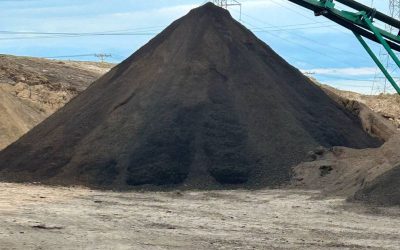
White de-icing salt, often called sodium chloride, is one of the de-icing agents most commonly used to treat roads and snow-covered surfaces. It is effective down to around -8°C.
Composition
Shape
Chemical reaction
Efficiency
It is effective at temperatures above about -8°C. Below this temperature, other de-icing agents or abrasives may be more appropriate.
Advantages of white de-icing salt
Economic efficiency
Availability
Easy to apply
Green de-icing salt
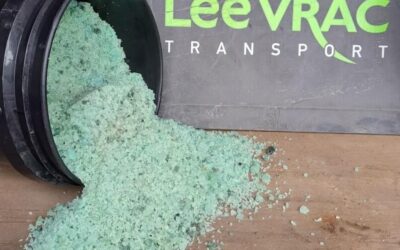
Green treated de-icing salt is a variant of conventional de-icing salt (sodium chloride) which has been treated with magnesium chloride and calcium chloride, colorants and corrosion prevention agents. The aim of this treatment is to improve certain properties of the salt, notably with its effectiveness up to -25°C, The distinctive green color makes it easily identifiable.
Composition
Green de-icing salt is usually made from sodium chloride, but may also contain additives such as green colorants and corrosion inhibitors, in addition to magnesium and calcium chloride.
Visual appearance
Anti-corrosion properties
Reducing quantities used
Advantages of processed de-icing salt
Increased visibility
Application control
Corrosion reduction
Reduced environmental impact
Frequently asked questions - De-icing salt
How to choose between green and white processed salt for road de-icing?
Does green salt protect equipment and machinery from corrosion?
Can de-icing salt be used in all weather conditions?
De-icing salt is generally effective in melting ice on roads and sidewalks, but its effectiveness can vary according to weather conditions:
- Temperature: White de-icing salt is most effective at temperatures above -8°C. At lower temperatures, its effectiveness diminishes. Green de-icing salt is more effective, melting ice and snow at temperatures as low as -25°C.
- Humidity: Salt needs humidity to be activated. Consequently, it may be less effective in very dry conditions.
- Snow type: Salt is generally more effective at melting wet snow than dry snow. Wet snow has a greater capacity to absorb salt.
- Exposure to the sun: Exposure to the sun can accelerate the melting process with salt, as heat helps to activate the salt.
What is the price of bulk road salt?
White or green de-icing salt in bulk can be ordered by the ton or in Big Bag format. For market prices in Laval, Saint-Eustache and surrounding areas, visit our our online store.
What are the alternatives to traditional de-icing salts?
It's possible to use specialized abrasives like AB10 sand, ⅛ or ¼ winter abrasive or also a 50/50 mix between abrasive and salt to get the best of both worlds. Find out more about abrasives, visit our related page. Abrasives increase grip, especially when salt is less effective.
How often should roads and parking lots be de-iced?
In conclusion - What's the best de-icing salt for winter?
Choosing between green and white processed salt is crucial to effective road de-icing. By understanding their properties, benefits and environmental impact, you can make an informed decision that prioritizes both safety and sustainability. White salt will be a more economical choice and will be used down to around -8°C, while treated de-icing salt will be more effective, de-icing roadways down to temperatures of -25°C. Feel free to visit our online store or Contact us to find out more about our bulk products.